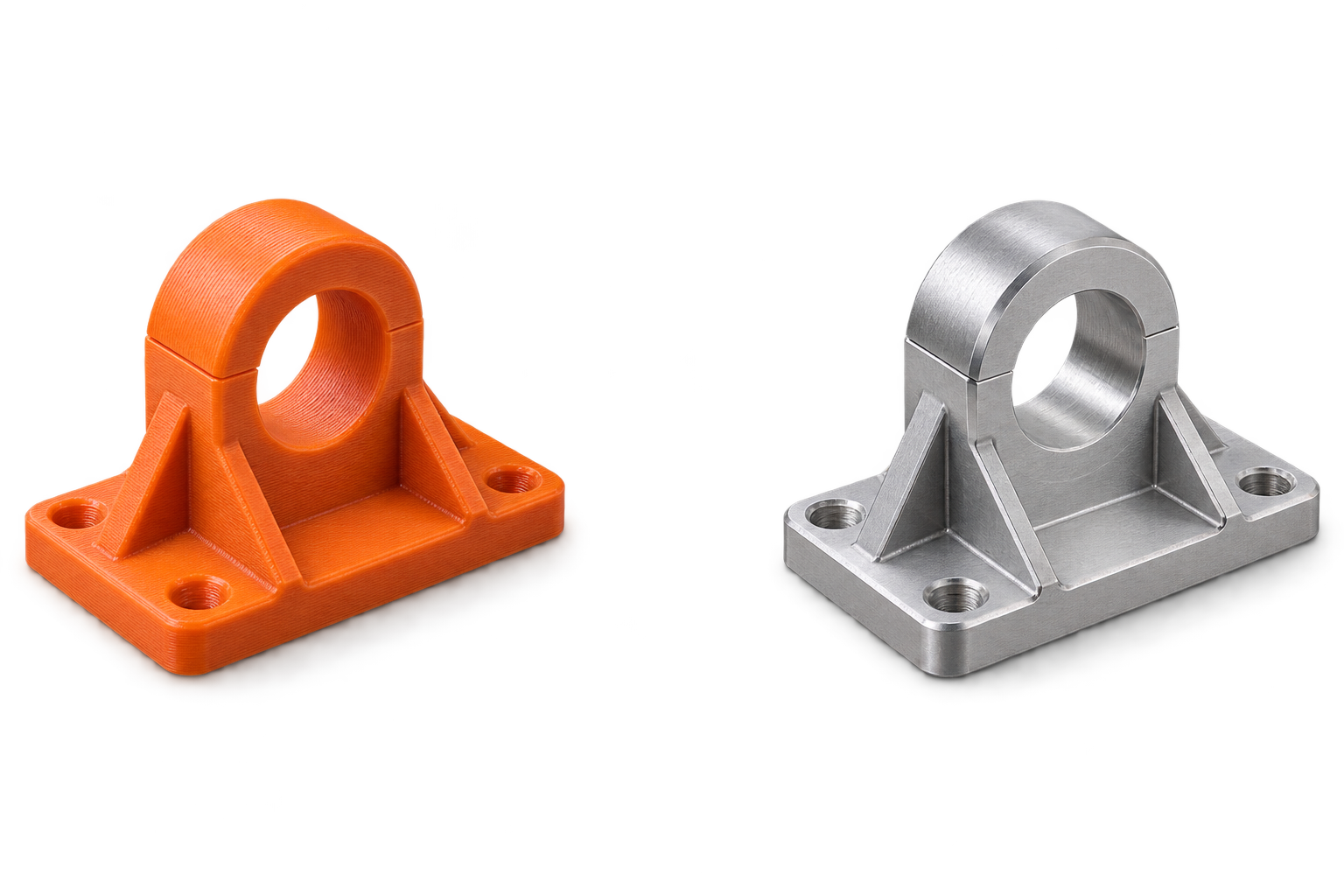
STEP PREFERRED
CNC route
CNC machining
For controlled faces, threads, bores, and accessible geometry.
Precision interfacesPrismatic partsTight features
Built for engineers and makers who proved the design in plastic and now need the part in metal.
STEP is preferred for CNC. STL or STEP can start a metal 3D-printing review.
For controlled faces, threads, bores, and accessible geometry.
For complex, organic, or hard-to-reach geometry built layer by layer.
Have both files? Upload both. We keep both sources with the project.
Upload filesMaterials and finish
See the process, material, and finish as one decision. We confirm the exact alloy and condition after reviewing the geometry and application.
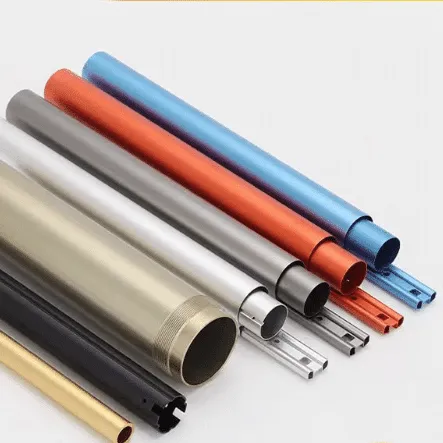
Alloy families
Aluminum, stainless steel, tool steel, titanium, copper, brass, and nickel alloys are matched to strength, weight, heat, corrosion, and wear.
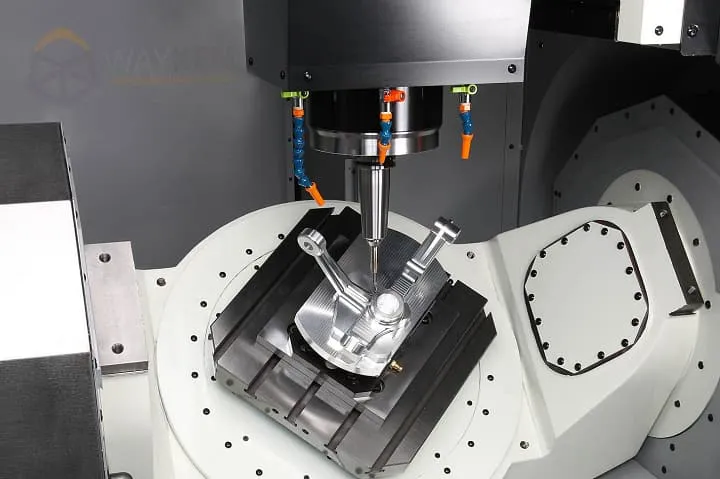
CNC machining
Best suited to controlled faces, bores, threads, fits, and accessible geometry. STEP is preferred for review.
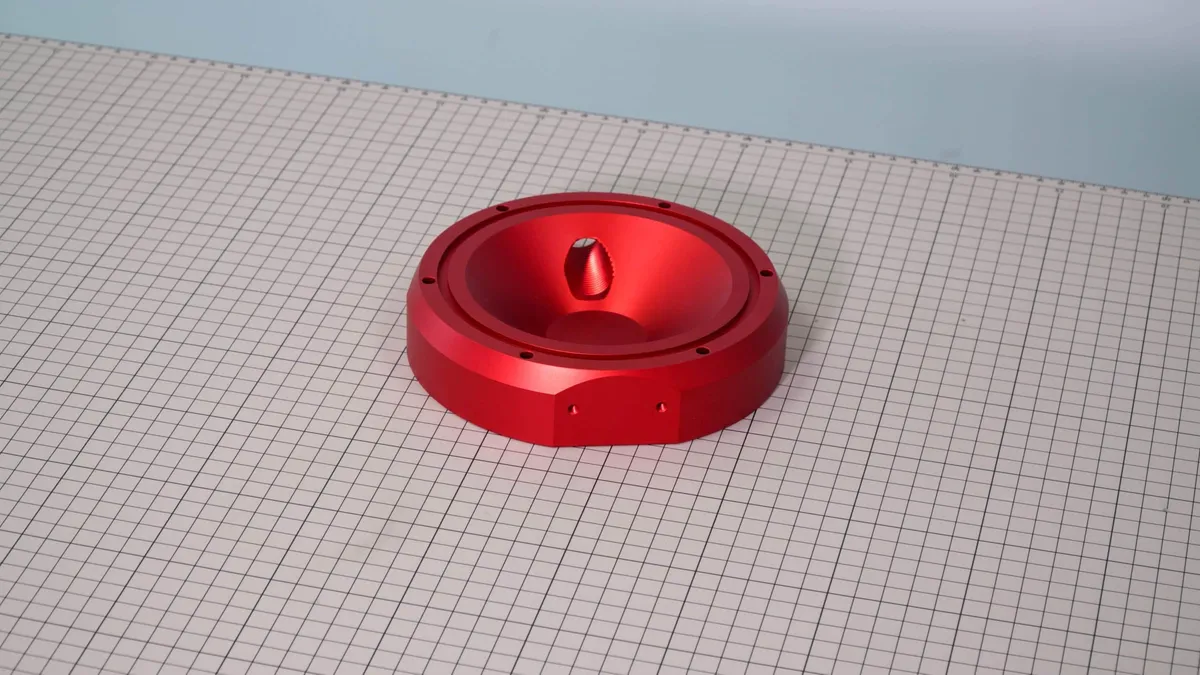
Finish and post-process
Heat treatment, anodizing, coating, polishing, post-machining, and inspection are scoped around the final use.
Need a specific alloy, temper, treatment, or certification? Add it to the project notes for confirmation.
Explore all materials
Give us the few facts the model cannot show. They guide the process, alloy, finish, and inspection scope.
Yes. STL can go directly into a metal 3D-printing review. STEP is preferred when CNC precision matters.
No. Ask us to recommend a process. We review the geometry, function, material, quantity, and finish together.
A person reviews the project and sends the recommended route, open questions, and quote scope. Production starts only after approval.
Start a project